
Techniques
How to Read Tiny Numbers in Detailed Mystery Pages
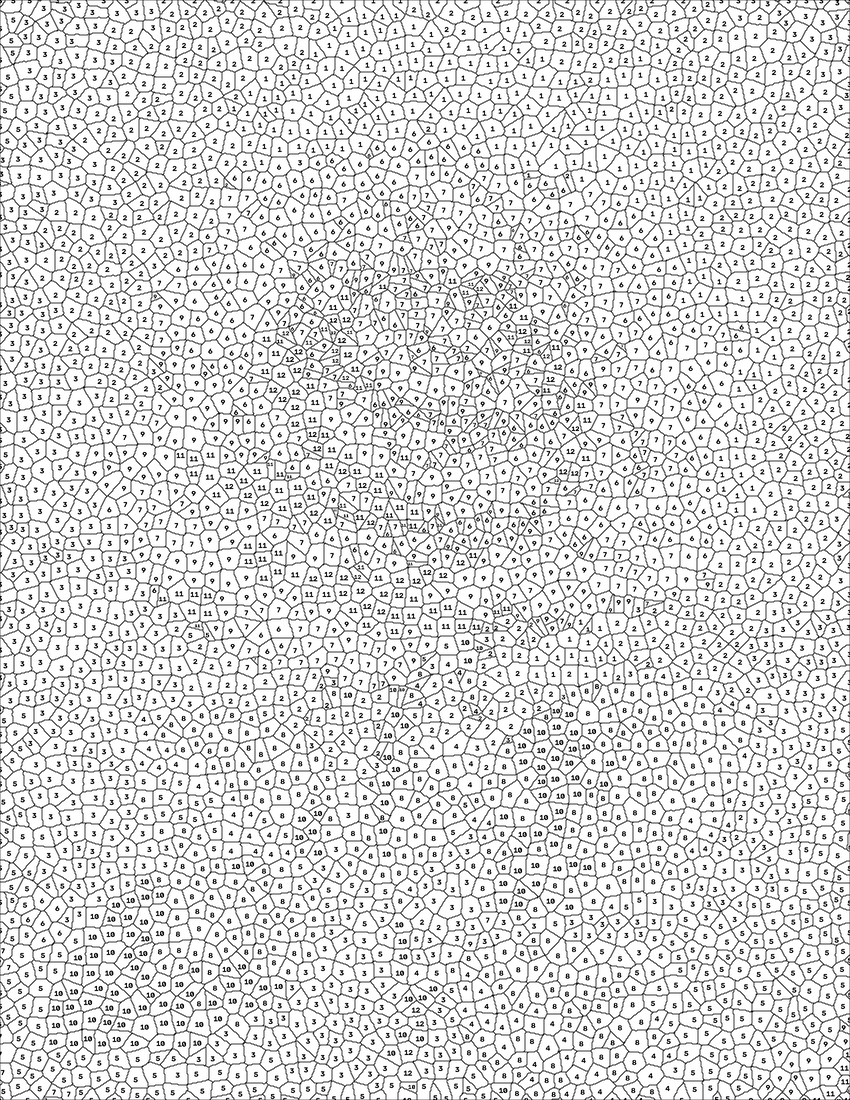
Detailed mystery coloring pages can contain thousands of numbered regions.
Explore the actual coloring project →
Detailed mystery coloring pages can contain thousands of numbered regions. Clear labels and a sensible workflow matter more than rushing through the page.
Zoom before you click
In the online colorer, enlarge a section until the numbers are easy to distinguish. Work within that section before panning to the next. On paper, print at the intended full size rather than shrinking the page.
Track one color at a time
Pick one number from the palette and fill a cluster of matching cells. Then switch colors. This reduces mistakes caused by jumping repeatedly between nearly identical shades.
Keep borders visible
Dark, consistent cell boundaries help separate neighboring regions. If a cell is too small to read, do not guess; inspect the page at higher magnification or use a less detailed version.
A practical scanning order
Start at the top-left corner and finish a small group of cells before moving to the next area. If several numbers look similar, compare each label with its neighbors and the palette rather than guessing. On a digital page, a temporary zoom-in is often enough. On paper, good lighting and a fine-tipped coloring tool make narrow regions easier to fill without crossing black borders.
Quick checklist
- Choose a clear image and a readable number palette.
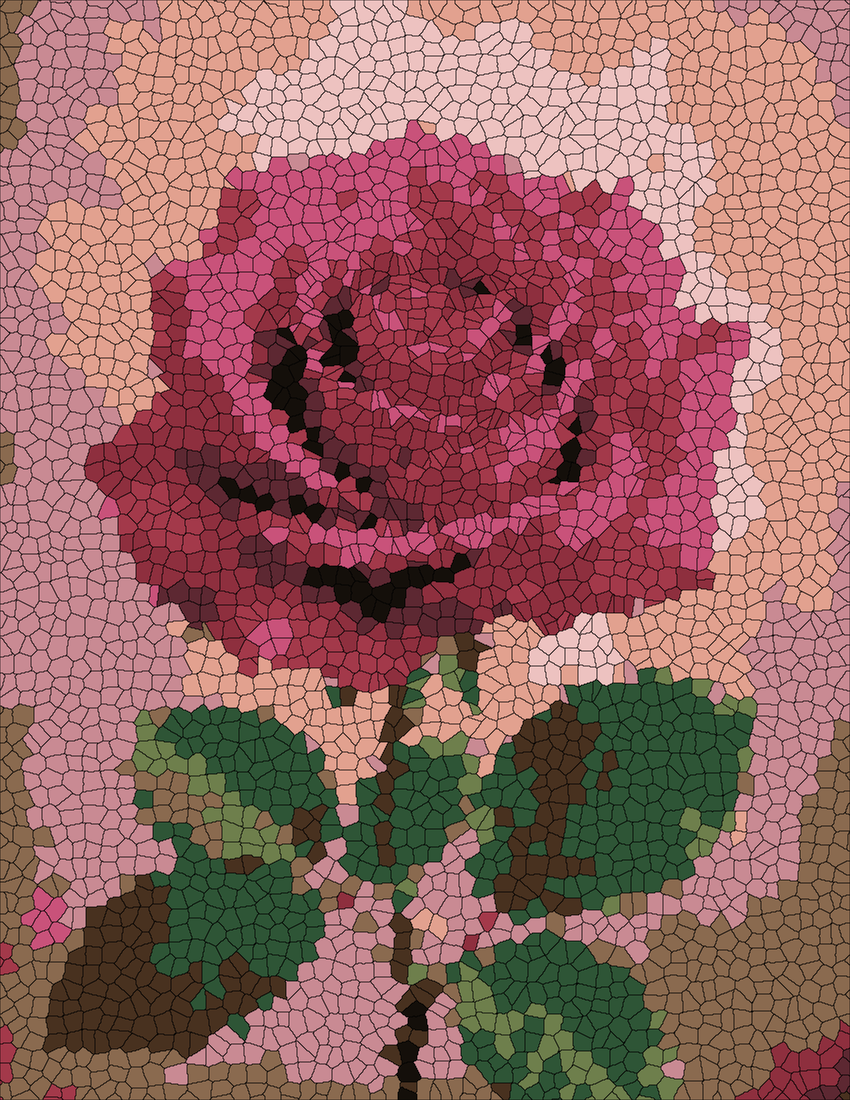
- Keep neighboring colors distinct so the reveal stays recognizable.
- Preview the completed answer only after the puzzle is finished.
Frequently asked question
What if a label is unreadable?
Zoom in digitally or choose a larger, simpler printable version rather than guessing the color.
Try a mystery coloring project
Open the free online colorer to work with a compatible page, browse free printables, or visit the Mystery Color Maker to create your own print-ready project.

