
Techniques
Square, Hexagon, and Mosaic Mystery Coloring Grids
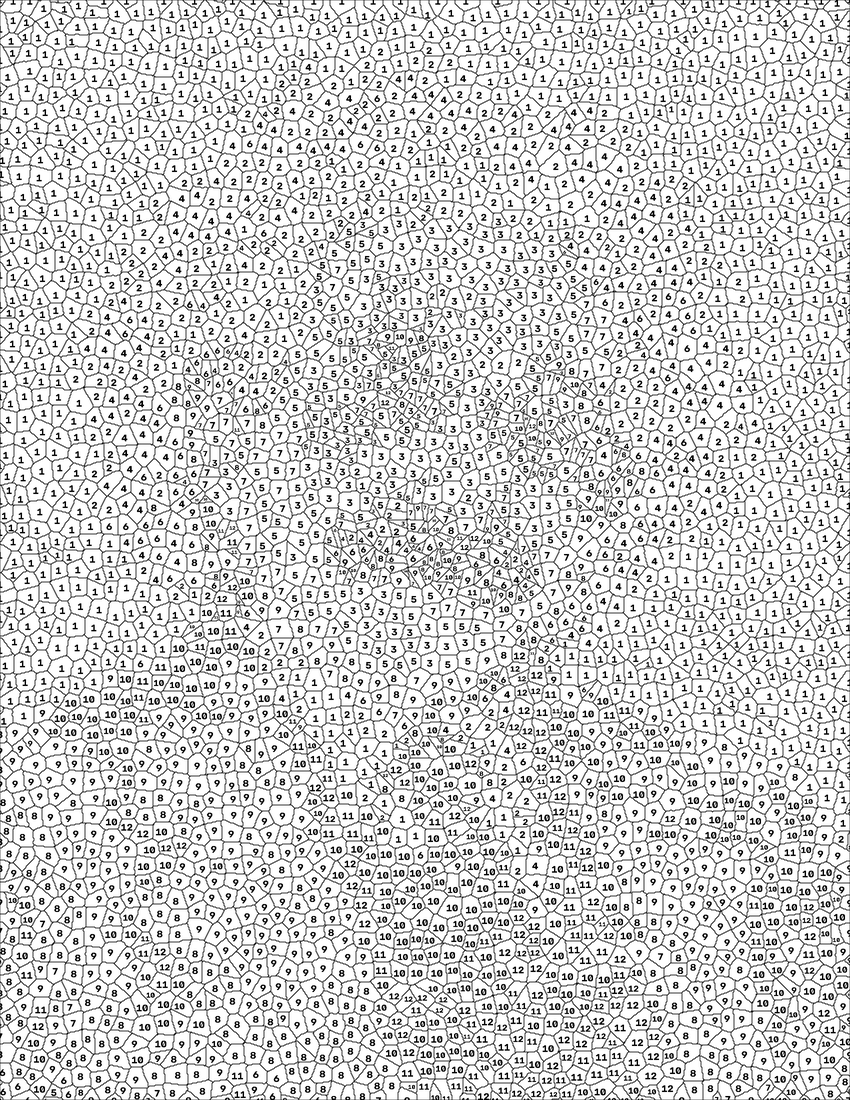
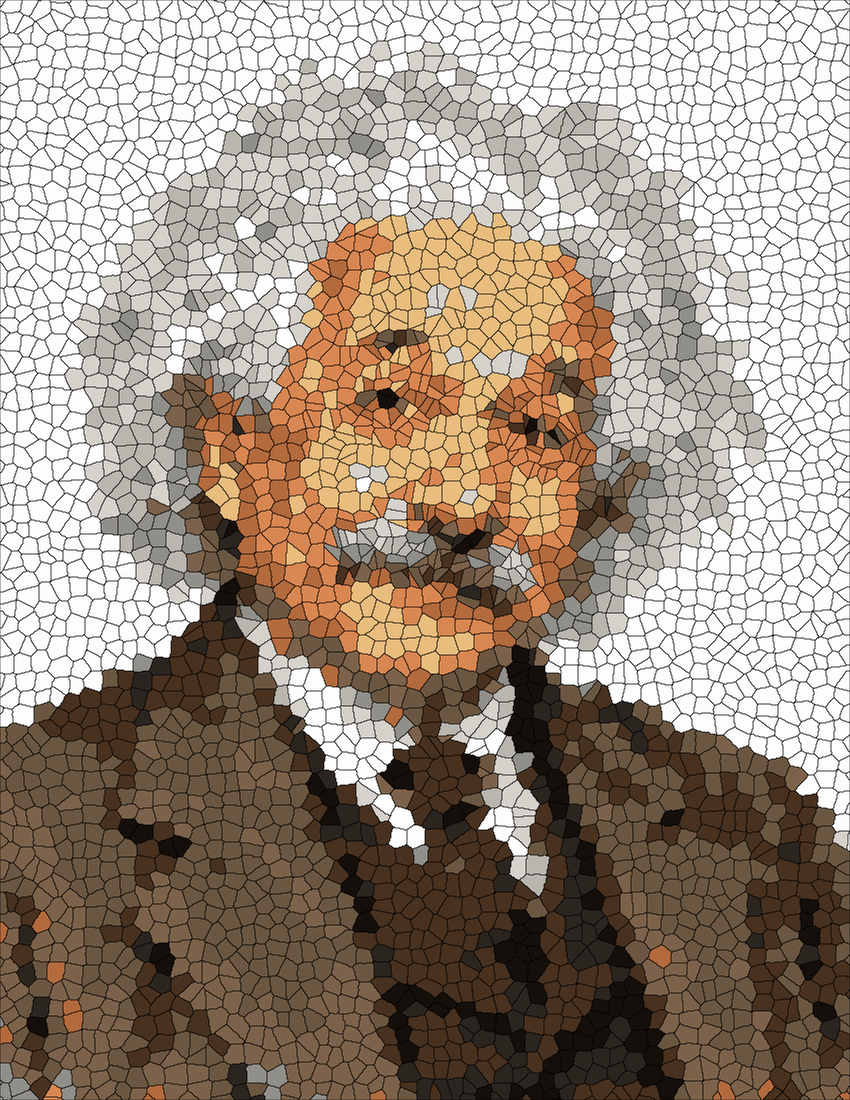
The shape of a numbered cell changes how a hidden picture looks before it is colored.
Explore the actual coloring project →
The shape of a numbered cell changes how a hidden picture looks before it is colored. Squares, hexagons, and mosaic-like regions each create a distinct puzzle texture.
Square grids
Squares are orderly and familiar. They are easy to scan row by row and work well for geometric subjects or beginners who want predictable cell boundaries.
Hexagon grids
Hexagons create a honeycomb appearance with fewer obvious horizontal seams. They can soften the look of rounded shapes, although very small labels may be harder to read.
Irregular mosaics
A mosaic with varied regions can follow the natural curves of petals or faces more closely. The trade-off is that cell sizes vary, so a high-resolution page and good zoom controls become more important.
Think about printing as well as appearance
A hexagon or irregular mosaic may look attractive on screen, but the cell labels still need enough room. At US Letter size, test-print a small section of the densest area. If numbers overlap boundaries, reduce complexity or choose larger regions. Square grids are straightforward for beginners; irregular shapes can suit curved petals and animal fur when the export remains clear.
Quick checklist
- Choose a clear image and a readable number palette.
- Keep neighboring colors distinct so the reveal stays recognizable.
- Preview the completed answer only after the puzzle is finished.
Frequently asked question
Is one grid shape always best?
No. Choose the grid based on the image, desired difficulty, and how comfortably you can read its numbers.
Try a mystery coloring project
Open the free online colorer to work with a compatible page, browse free printables, or visit the Mystery Color Maker to create your own print-ready project.

