
Flowers
Mystery Rose Color by Number: Petals and Shading
Roses make rewarding mystery color-by-number pictures because their layered petals gradually appear through color.
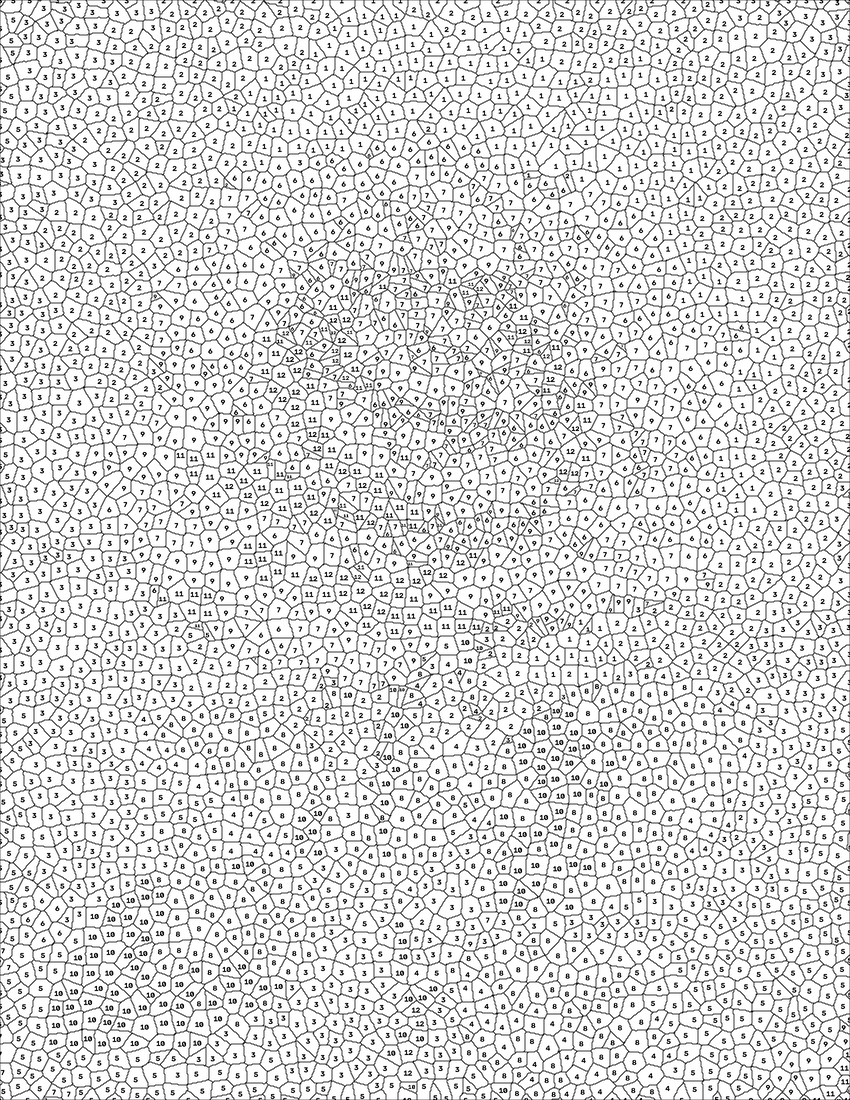
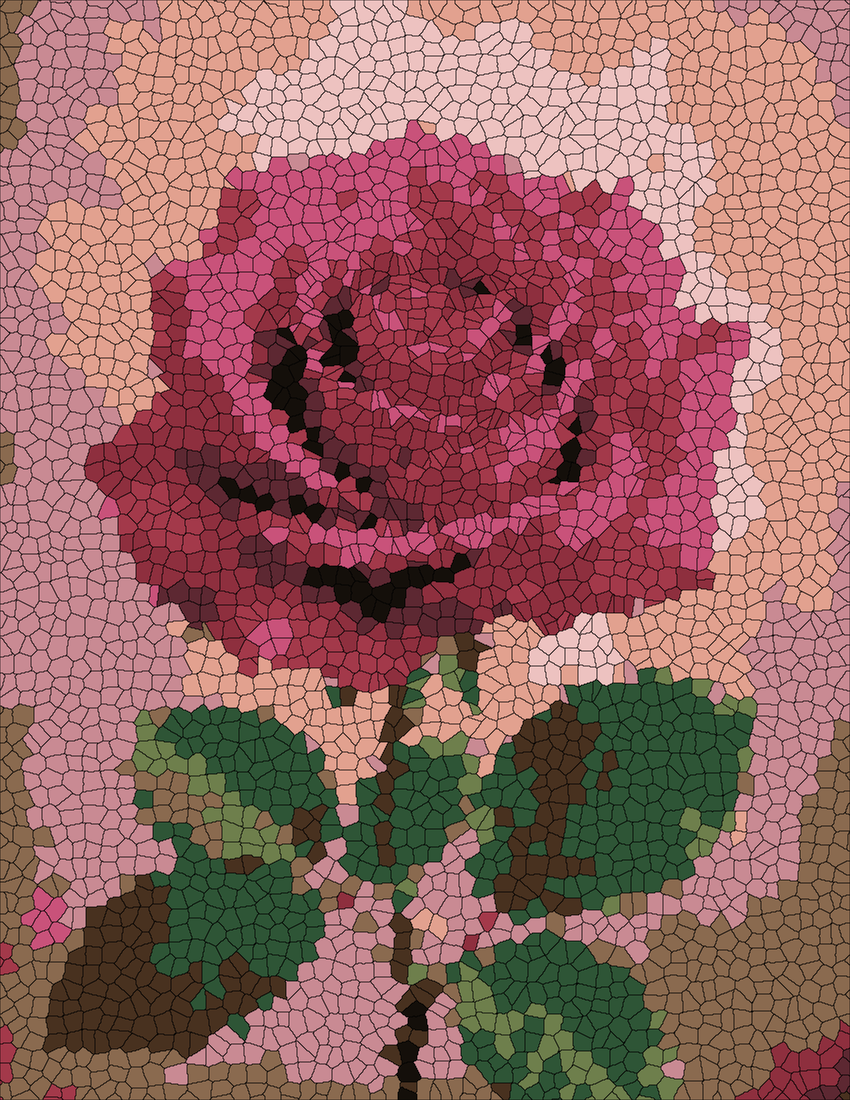
Explore the actual coloring project →
Roses make rewarding mystery color-by-number pictures because their layered petals gradually appear through color. The challenge is keeping subtle petal boundaries visible.
Plan petal colors
Use several related reds, pinks, or peach shades instead of one flat color. A darker shade near folded petal edges and a lighter shade on the outer curves create depth.
Separate the leaves
Keep foliage greens distinct from the flower colors so the subject is easy to identify. A muted background can preserve the hidden effect without swallowing the leaves.
Reveal the center last
Try coloring the outer petals first and saving the tight center for the end. That creates a satisfying moment when the flower finally looks complete.
Try three rose variations
A single yellow rose makes a bright beginner page, while a pink rose can use soft gradients and a burgundy rose can create a dramatic high-contrast puzzle. Use the same cell size for all three and compare the finished results. You may find that the darkest flower needs a lighter background, while the pale flower needs stronger outlines. These small design decisions are more important than simply increasing the number of colors.
Quick checklist
- Choose a clear image and a readable number palette.
- Keep neighboring colors distinct so the reveal stays recognizable.
- Preview the completed answer only after the puzzle is finished.
Frequently asked question
Are rose mystery pages suitable for beginners?
Yes, especially designs with one large flower and medium-size numbered regions.
Try a mystery coloring project
Open the free online colorer to work with a compatible page, browse free printables, or visit the Mystery Color Maker to create your own print-ready project.

