
Animals
Mystery Polar Bear Color by Number: Snowy Portraits
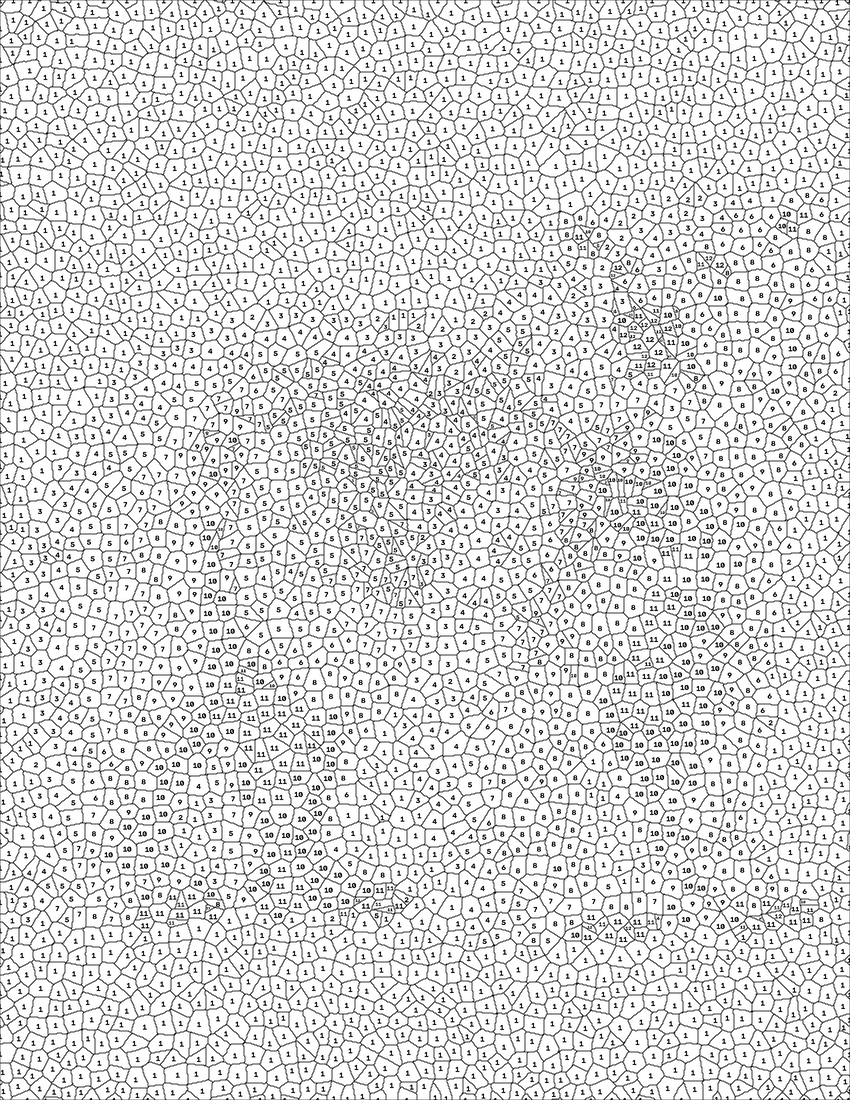
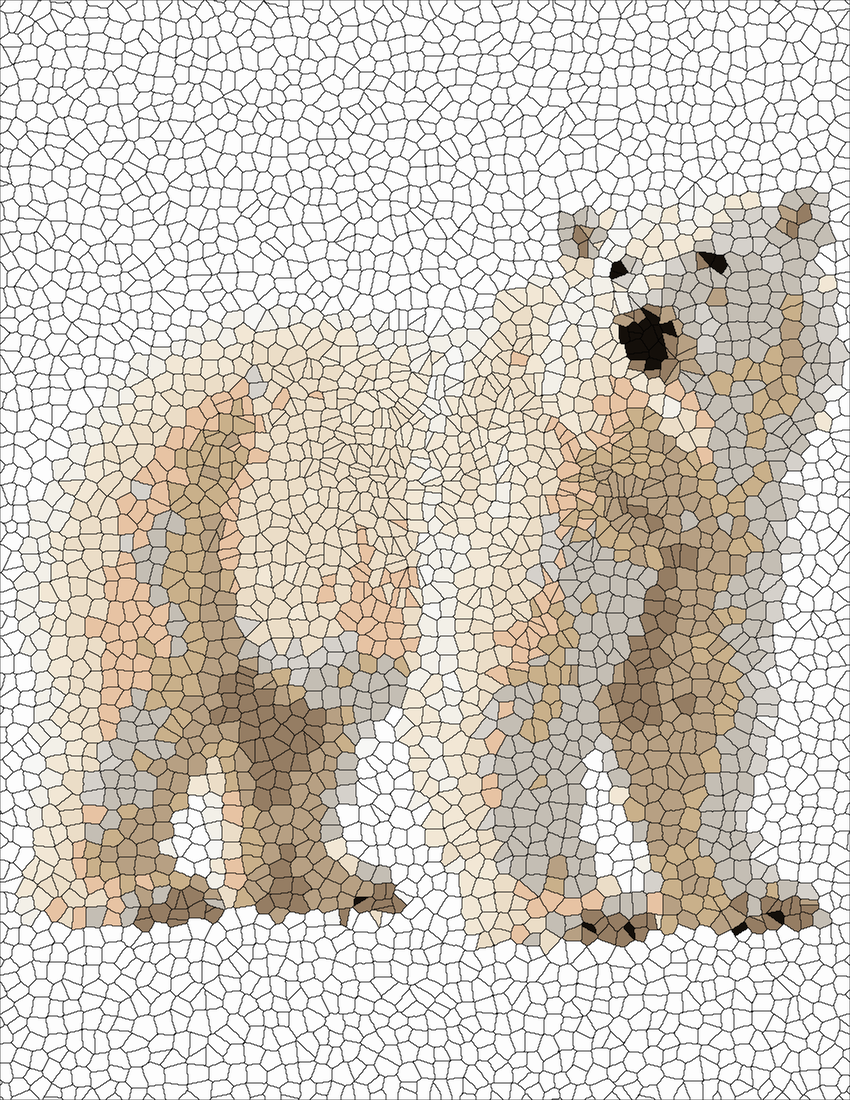
A polar bear hidden inside a numbered grid is a fun test of contrast.
Explore the actual coloring project →
A polar bear hidden inside a numbered grid is a fun test of contrast. Most of the animal is light, so the reveal depends on careful shading rather than bright colors.
Make the face the focal point
Choose a clear portrait with visible eyes and nose. These small dark details help the animal appear gradually as the surrounding pale regions are colored.
Use cool and warm whites
Combine ivory, pale gray, and a hint of icy blue to distinguish fur from snow. Keep the background a slightly different tone so the bear remains readable.
Do not overcomplicate the ice
A simple snowy setting supports the portrait. Too many tiny ice textures can distract from the face and make the puzzle harder than intended.
Avoid losing the bear in the snow
A polar bear can blend into an icy background if the two share identical light colors. Try a slightly bluer sky and a warmer ivory fur palette, or add gentle gray shadows under the chin. Check the result in grayscale to see whether the silhouette remains clear. This is a useful exercise in designing mystery pictures that rely on tone rather than saturated colors.
Quick checklist
- Choose a clear image and a readable number palette.
- Keep neighboring colors distinct so the reveal stays recognizable.
- Preview the completed answer only after the puzzle is finished.
Frequently asked question
Can polar bear pages use a small palette?
Yes. A restrained palette with a few light shades and dark facial accents can look very effective.
Try a mystery coloring project
Open the free online colorer to work with a compatible page, browse free printables, or visit the Mystery Color Maker to create your own print-ready project.

